

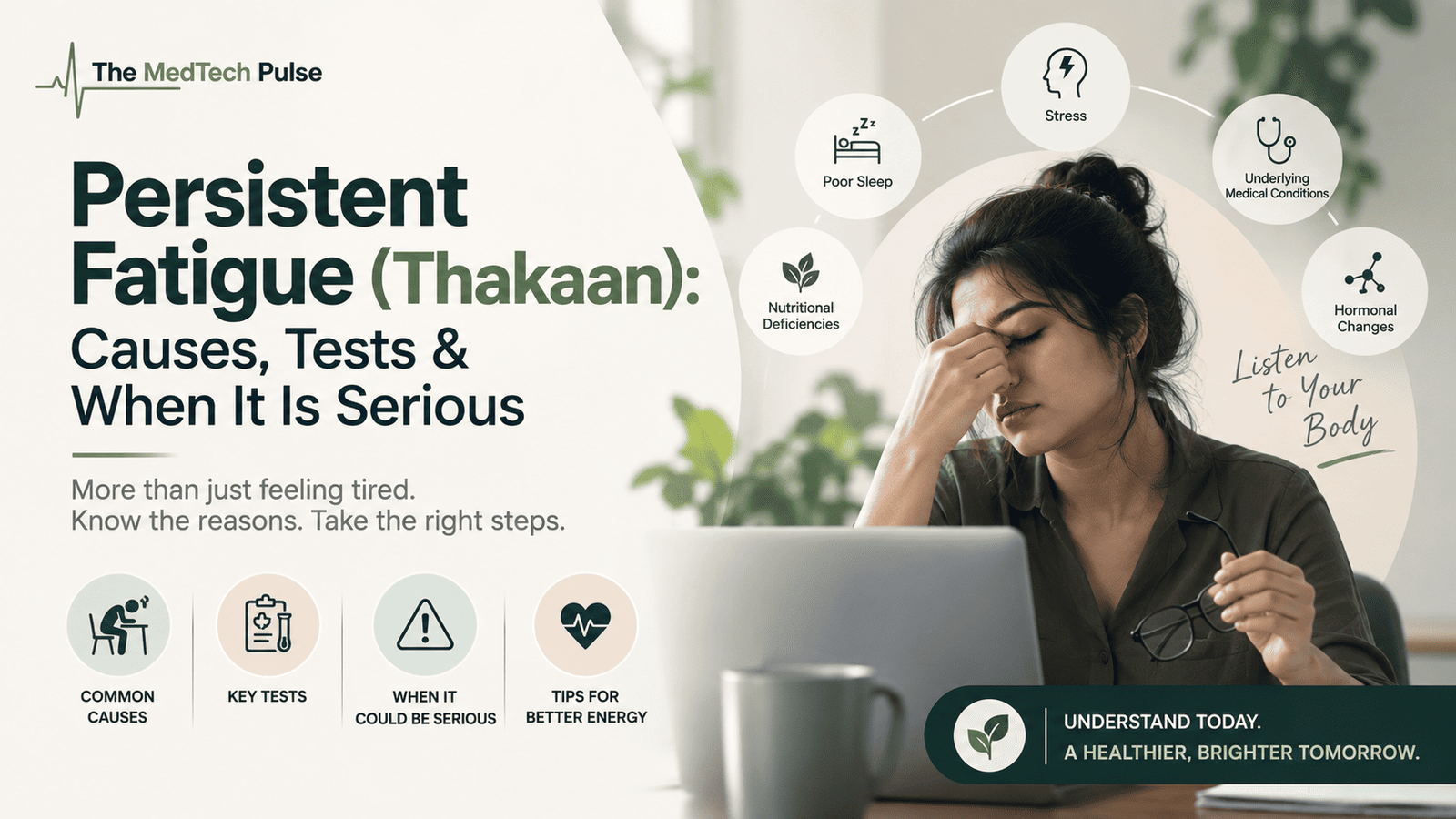
“Bas thoda thak gaya hoon” — just a little tired. It’s something almost every Indian says at some point, and most of the time, it’s true: a demanding week, poor sleep, or a hectic festival season can leave anyone drained. But there’s a difference between ordinary tiredness that a good night’s sleep fixes, and persistent fatigue — the kind of exhaustion that doesn’t go away no matter how much you rest, that follows you through your morning tea and stays with you by evening.
If you’ve been feeling this way for weeks, and you’re starting to wonder whether it’s “just stress” or something your body is trying to tell you, you’re not alone — and you’re asking the right question. This guide walks through the most common medical causes of persistent fatigue in India, the tests doctors typically order to find out what’s going on, and — most importantly — the warning signs that mean fatigue deserves urgent attention rather than another cup of chai and hoping it passes.
Normal Tiredness vs. Medical Fatigue: How to Tell the Difference
Not all tiredness needs a doctor’s visit. Understanding the difference between the two is the first step toward knowing when to worry.
Normal Tiredness
- Improves after a good night’s sleep or a restful weekend
- Has a clear, identifiable cause — a late night, an intense workout, travel, a stressful deadline
- Doesn’t significantly interfere with your ability to function day to day
- Comes and goes rather than staying constant
Medical (Persistent) Fatigue
- Lasts more than two to three weeks without a clear improving trend
- Doesn’t get better even with adequate sleep and rest
- Is accompanied by other symptoms — such as breathlessness, hair fall, weight changes, or mood changes
- Interferes noticeably with work, concentration, or daily tasks
- Feels like a heaviness or exhaustion that’s different from your usual tiredness — many patients describe it as feeling tired even before starting the day
If your fatigue fits the second list rather than the first, it’s genuinely worth investigating rather than pushing through it indefinitely. Persistent fatigue is one of the most common reasons patients visit a general physician in India, and in the large majority of cases, there is an identifiable, treatable medical cause behind it.
Common Causes of Chronic Fatigue in Indians
Fatigue is what doctors call a “non-specific symptom” — it can point to dozens of different underlying conditions. But in the Indian population specifically, a handful of causes show up again and again, and they’re worth understanding in detail.
1. Anemia (Low Haemoglobin)
Anemia is, by a wide margin, one of the most common causes of persistent fatigue in India — and it’s far more widespread than most people realise. According to National Family Health Survey (NFHS-5) data, anemia among women of reproductive age in India rose from 53% in the previous survey to 57% nationally, meaning well over half of Indian women aged 15–49 are anemic to some degree. Anemia in men, while less prevalent, is also a well-documented and often under-recognised problem, particularly in lower-income and rural populations.
Iron deficiency is the leading cause of anemia in India, driven by a combination of vegetarian diets low in easily absorbed iron, heavy menstrual bleeding in women, and inadequate dietary diversity. When your blood carries less oxygen due to low haemoglobin, every cell in your body — including your muscles and brain — has to work harder for the same output, which is experienced directly as fatigue, breathlessness on exertion, and sometimes dizziness or pale skin.
2. Vitamin D Deficiency
This is one of India’s most under-diagnosed causes of fatigue, and the scale of it is genuinely striking: despite India’s abundant year-round sunshine, vitamin D deficiency exists in near-epidemic proportions across the country, with studies estimating a prevalence of 70–100% in the general population. This counter-intuitive pattern is explained by a combination of factors — indoor lifestyles, use of sunscreen and covering clothing, darker skin pigmentation (which requires more sun exposure to synthesise the same amount of vitamin D), pollution reducing UV penetration, and diets that rarely include vitamin D–fortified foods.
Vitamin D plays a role well beyond bone health — it’s linked to muscle function, immune regulation, and energy metabolism, and deficiency is consistently associated with fatigue, generalised body aches, and muscle weakness in clinical studies.
3. Vitamin B12 Deficiency
Closely related, and often overlapping with vitamin D deficiency, B12 deficiency is particularly common among India’s large vegetarian and vegan population, since B12 is found almost exclusively in animal products. One study from Jammu found that a striking 86% of pregnant women were deficient in vitamin D and 72% in vitamin B12 simultaneously — illustrating how often these two deficiencies travel together in Indian patients. B12 deficiency causes fatigue both directly and through its role in causing a specific type of anemia (megaloblastic anemia), and can also cause tingling, numbness, and difficulty concentrating if left untreated for long periods.
4. Thyroid Disorders (Especially Hypothyroidism)
An underactive thyroid gland is one of the classic, textbook causes of persistent fatigue — and it’s a common condition in India. Hospital-based studies have found hypothyroidism prevalence as high as 24% in certain Indian populations, with women affected considerably more often than men (in one study, at a ratio of more than 5 to 1). The thyroid gland essentially controls your body’s metabolic rate; when it’s underactive, everything slows down — energy production, heart rate, digestion — producing a characteristic pattern of fatigue, weight gain, cold intolerance, hair thinning, and low mood. Because these symptoms develop gradually, many patients live with undiagnosed hypothyroidism for months or years, simply adjusting to feeling perpetually low-energy.
5. Diabetes and Blood Sugar Imbalances
Fatigue is one of the earliest and most common symptoms of both undiagnosed diabetes and poorly controlled existing diabetes — and given India’s very high diabetes burden, this is a genuinely important cause to rule out. When blood sugar is too high, the body’s cells can’t efficiently use glucose for energy despite having plenty of it in the bloodstream, producing a specific kind of fatigue that often comes with excessive thirst, frequent urination, and unexplained weight loss. Fatigue can also occur with blood sugar that swings too low, particularly in people already on diabetes medication.
6. Sleep Problems
This sounds obvious, but genuine sleep disorders — not just staying up late — are a frequently missed cause of chronic daytime fatigue. Sleep apnea (where breathing repeatedly stops and starts during sleep, common in people who are overweight or who snore heavily) prevents deep, restorative sleep even when total sleep hours seem adequate. Insomnia, irregular shift-work schedules (increasingly common in India’s IT and BPO sectors), and simply chronic sleep debt from late nights and early mornings all contribute to a fatigue pattern that feels like it should be fixable with “more sleep,” but often needs a proper sleep evaluation to identify the actual underlying problem.
7. Chronic Stress and Mental Health
Persistent psychological stress, anxiety, and depression are major, genuine causes of physical fatigue — not “just in your head” in the dismissive sense, but a real physiological response involving disrupted sleep, elevated stress hormones, and changes in energy regulation. In India, where mental health concerns are still often under-discussed and under-diagnosed, fatigue is frequently the presenting physical symptom that eventually leads to a mental health conversation, rather than the other way around.
8. Other Contributing Factors
Dehydration, poor dietary habits (skipping meals, excess processed food, inadequate protein intake), sedentary lifestyle, certain medications, chronic infections like tuberculosis, and underlying conditions such as chronic kidney disease or heart disease can all present with fatigue as a leading symptom — which is exactly why a proper medical evaluation, rather than self-diagnosis, matters when fatigue persists.
Important Blood Tests Doctors Usually Recommend
Because fatigue has so many possible causes, doctors typically order a panel of tests rather than a single one, to systematically narrow down the cause. Here’s what’s commonly included:
Complete Blood Count (CBC)
Checks haemoglobin levels and red blood cell parameters to identify anemia, along with white blood cell and platelet counts that can point toward infection or other blood disorders.
Serum Ferritin, Iron Studies
Measures your body’s iron stores, helping confirm iron-deficiency anemia specifically and gauge its severity — more precise than haemoglobin alone for understanding the underlying cause.
Vitamin D (25-hydroxyvitamin D) Test
Given how widespread deficiency is in India, this is now a routinely recommended test for anyone with unexplained fatigue, body aches, or muscle weakness.
Vitamin B12 and Folate Levels
Particularly important for vegetarians, vegans, and anyone with neurological symptoms (tingling, numbness) alongside fatigue.
Thyroid Function Test (TSH, and sometimes T3/T4)
TSH (thyroid-stimulating hormone) is typically the first-line screening test; an elevated TSH points toward an underactive thyroid, one of the most common treatable causes of fatigue.
Fasting Blood Glucose and HbA1c
Screens for diabetes or prediabetes; HbA1c specifically gives a picture of average blood sugar control over the preceding two to three months, rather than just a single point-in-time reading.
Kidney and Liver Function Tests
Checks whether an underlying kidney or liver problem — both of which can present with fatigue as an early symptom — is contributing to how you’re feeling.
Additional Tests, If Indicated
Depending on your specific symptoms and history, your doctor may also recommend an ESR or CRP (markers of inflammation), a sleep study (if sleep apnea is suspected), or specific infection screening such as for tuberculosis, particularly if fatigue is accompanied by fever, night sweats, or weight loss.
Most of these tests are affordable and widely available in India — combined vitamin D and B12 panels, for instance, are often available starting around ₹700, and a full basic fatigue panel (CBC, thyroid, vitamin D, B12, fasting glucose) typically costs a few thousand rupees at most diagnostic labs — a small investment relative to the cost of leaving a treatable cause undiagnosed for months or years.
When Fatigue Becomes a Red Flag
Most causes of persistent fatigue are manageable and non-emergency once properly diagnosed. But certain accompanying symptoms mean fatigue needs prompt — sometimes urgent — medical attention rather than a routine, wait-and-see appointment:
- Unexplained, significant weight loss alongside fatigue
- Fatigue with chest pain, palpitations, or breathlessness at rest (possible cardiac cause)
- Fatigue with fever that doesn’t resolve, especially if accompanied by night sweats
- Blood in stool, urine, or vomit, or unusually dark/tarry stools, alongside fatigue (possible internal bleeding causing anemia)
- Sudden, severe fatigue that comes on rapidly, rather than gradually over weeks
- Fatigue with confusion, fainting, or difficulty staying alert
- Yellowing of the skin or eyes (jaundice) alongside fatigue
- Persistent fatigue in someone with known heart disease, kidney disease, or cancer, or a new lump or swelling anywhere on the body
- Fatigue that is rapidly worsening week over week, rather than staying stable
If you notice any of these alongside your fatigue, don’t wait for your next routine check-up — seek medical attention promptly, and go to an emergency department immediately if symptoms are severe or rapidly worsening.
When Should You See a Doctor?
Even without the red-flag symptoms above, it’s worth booking a consultation with a general physician if:
- Fatigue has lasted more than two to three weeks without improvement
- It’s affecting your work, relationships, or daily functioning
- You have other new symptoms alongside it — hair fall, weight change, mood changes, irregular periods, or body aches
- You’ve already tried basic lifestyle fixes (better sleep, hydration, diet) without any real improvement
- You have a family history of thyroid disease, diabetes, or anemia
- You’re a woman with heavy menstrual periods, which significantly increases anemia risk
A general physician can order the initial screening panel described above and, based on the results, refer you to a specialist — an endocrinologist for thyroid or diabetes-related fatigue, a haematologist for complex anemia, or a sleep specialist if sleep apnea is suspected.
Lifestyle and Home Management Tips
While waiting for test results, or alongside treatment once a cause is identified, several lifestyle measures genuinely help most causes of fatigue:
Nutrition
- Include iron-rich foods regularly — leafy greens, jaggery, lentils, and for non-vegetarians, red meat and eggs — and pair plant-based iron sources with vitamin C (citrus fruits, tomatoes) to improve absorption
- Get safe sun exposure for 15–20 minutes several times a week to support natural vitamin D synthesis, ideally in the morning or late afternoon
- Eat regular, balanced meals rather than skipping meals, particularly breakfast
- Stay adequately hydrated throughout the day
Sleep
- Maintain a consistent sleep and wake time, even on weekends
- Aim for 7–8 hours of sleep for most adults
- Limit screen use in the hour before bed
- If you snore loudly or wake up gasping, mention this specifically to your doctor — it may indicate sleep apnea
Physical Activity
- Regular moderate exercise, even a daily 30-minute walk, genuinely improves energy levels for most people over time, despite feeling counterintuitive when you’re already tired
- Avoid prolonged sedentary periods; take short movement breaks during long work hours
Stress Management
- Simple practices like yoga, deep breathing, or short meditation sessions have reasonable evidence for improving both stress and fatigue
- Don’t dismiss persistent low mood alongside fatigue — consider speaking to a doctor or counsellor, since fatigue and depression frequently occur together
The Role of Home Monitoring Devices
For people managing chronic conditions that commonly cause fatigue — particularly diabetes and high blood pressure — home monitoring devices have become an increasingly important, affordable part of staying ahead of fatigue-related complications in India.
Glucometers
For anyone diagnosed with diabetes or prediabetes, a home glucometer allows regular blood sugar monitoring between doctor visits. Consistently high or unstable readings that correlate with fatigue episodes give both you and your doctor useful, real-world data — far more informative than a single fasting test taken once every few months. Modern glucometers are inexpensive, widely available across Indian pharmacies, and simple enough to use at home with minimal training.
Blood Pressure (BP) Monitors
Both very high and very low blood pressure can cause fatigue, dizziness, and reduced concentration. A home digital BP monitor lets you track patterns over time — useful both for people with diagnosed hypertension and for anyone whose doctor wants to rule out blood pressure as a contributing factor to their tiredness.
Pulse Oximeters
For fatigue accompanied by breathlessness, a simple pulse oximeter (measuring blood oxygen saturation) can help identify whether reduced oxygen levels — potentially from an underlying lung or heart condition — are contributing to how exhausted you feel.
Fitness and Sleep Trackers
Wearable devices that track sleep duration and quality, heart rate, and activity levels can help identify patterns — for instance, whether your worst fatigue days consistently follow poor sleep nights — giving both you and your doctor more objective information than memory alone.
These devices don’t replace proper medical testing and diagnosis, but they’re a genuinely useful complement — particularly for tracking whether a diagnosed condition is well-controlled, and for catching early warning trends before they become a medical emergency.
Frequently Asked Questions
Q: How long is “too long” to feel tired before seeing a doctor? As a general guideline, fatigue lasting more than two to three weeks without a clear cause or improvement — despite adequate rest — is worth discussing with a doctor. Don’t wait months hoping it resolves on its own, especially if it’s affecting your daily life.
Q: Can persistent fatigue be caused by something as simple as diet? Yes, very often. Iron, vitamin D, and B12 deficiencies — all extremely common in India due to dietary patterns — are among the leading causes of fatigue, and they’re generally straightforward to diagnose with blood tests and treat with supplementation and dietary changes.
Q: I feel tired all the time but my basic blood tests came back normal — what next? If your CBC, thyroid, vitamin D, and B12 are all normal, it’s worth discussing sleep quality, stress levels, and mental health with your doctor, as these are common causes that don’t always show up on standard blood tests. A sleep evaluation or further specialist referral may be appropriate.
Q: Is fatigue always a sign of something serious? No — in the vast majority of cases, persistent fatigue has a manageable, treatable cause like anemia or vitamin deficiency, not a life-threatening condition. That said, the red-flag symptoms listed above do warrant urgent evaluation, so it’s worth knowing them rather than assuming every case of fatigue is minor.
Q: Can stress alone cause the kind of physical exhaustion I’m feeling? Yes. Chronic stress has genuine physiological effects — disrupted sleep, hormonal changes, and altered energy metabolism — that produce real physical fatigue, not just a mental sense of tiredness. It’s a legitimate medical cause worth discussing with your doctor, not something to dismiss as “just stress.”
Q: Should I take iron or vitamin D supplements on my own without testing first? It’s best to test first. Taking supplements without knowing your actual levels can mean missing the real cause of your fatigue, and in some cases — particularly with iron — taking supplements you don’t need can cause its own problems. A simple blood test first makes treatment far more targeted and effective.
This article is for general educational purposes and does not replace professional medical advice, diagnosis, or treatment. If you are experiencing any of the red-flag symptoms described above, please seek medical attention promptly. For persistent or unexplained fatigue, consult a qualified physician for proper evaluation.
References
- National Family Health Survey (NFHS-5), India — International Institute for Population Sciences (IIPS) and ICF
- Let S, Tiwari S, Singh A, Chakrabarty M — Prevalence and Determinants of Anaemia Among Women of Reproductive Age in Aspirational Districts of India, BMC Public Health (https://www.ncbi.nlm.nih.gov/pmc/articles/PMC10860231/)
- Aparna P, et al. — Vitamin D Deficiency in India: Prevalence, Causalities and Interventions, PMC (https://www.ncbi.nlm.nih.gov/pmc/articles/PMC3942730/)
- ShardaCare Healthcity — Vitamin D and B12 Deficiencies in India (https://shardacare.com/blogs/indias-silent-health-crisis-understanding-the-widespread-deficiency-of-vitamin-d-and-vitamin-b12)
- PMC / National Library of Medicine — Prevalence of Hypothyroidism in the Population of West Bokaro Coal Mine Area, Jharkhand (https://www.ncbi.nlm.nih.gov/pmc/articles/PMC9528851/)
- Impact Guru — Nutrient Deficiency in India: Complete Guide 2026 (https://www.impactguru.com/info/nutrient-deficiency-in-india-complete-guide/)
- PMC / National Library of Medicine — Prevalence of Vitamin D Deficiency and Its Association with Anemia Severity in Anemic Patients (https://pmc.ncbi.nlm.nih.gov/articles/PMC12970411/)
Note: Prevalence statistics reflect the most recent published studies available at the time of writing and may vary by region, population group, and study methodology. Test pricing is approximate and varies by lab and city.