

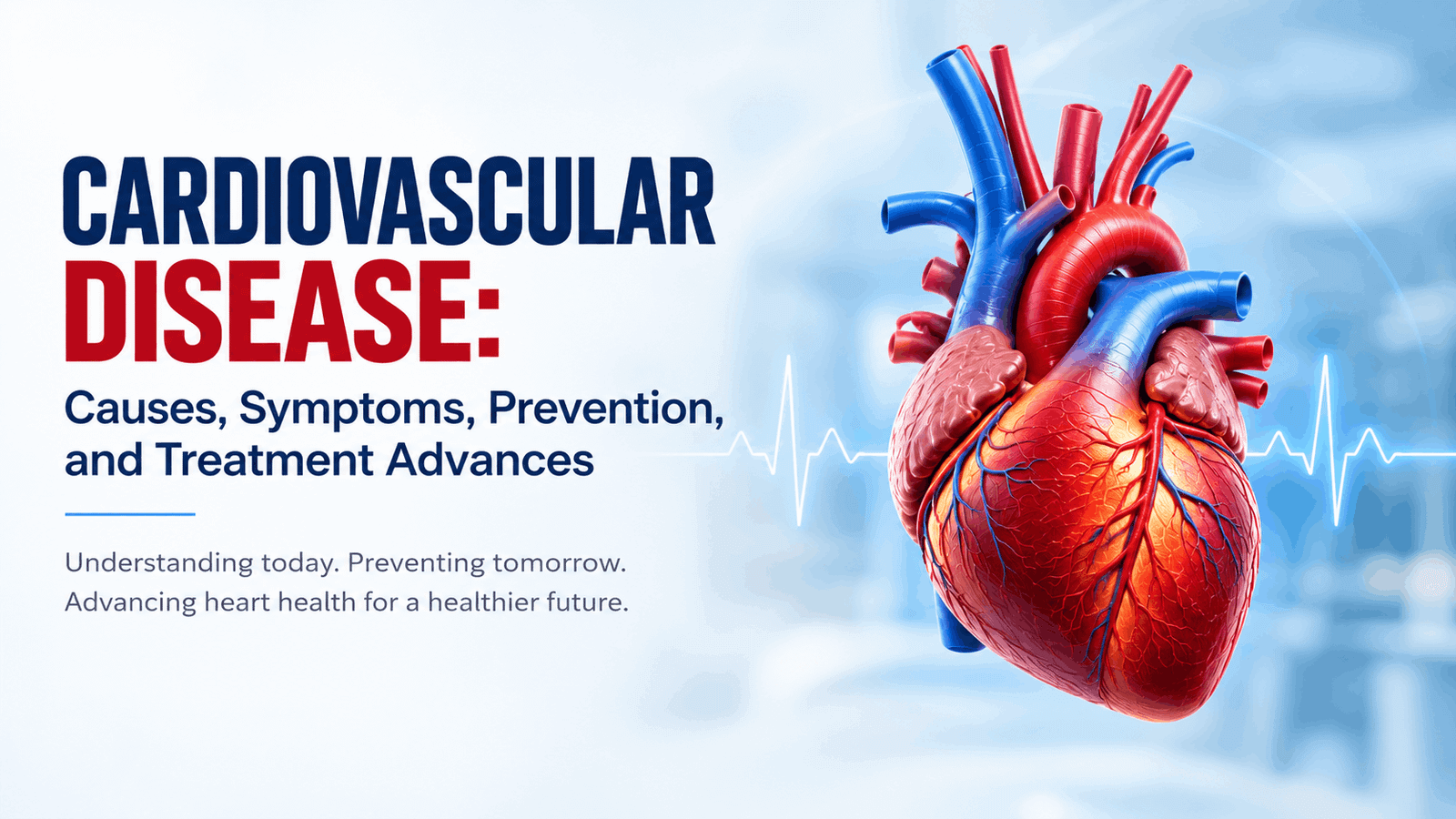
Cardiovascular disease (CVD) remains the leading cause of death worldwide, affecting millions of people every year. Despite major advances in diagnosis and treatment, heart disease and stroke continue to place an enormous burden on patients, families, and healthcare systems. Understanding what causes cardiovascular disease, recognizing its early warning signs, and knowing how it’s treated today can help patients take control of their heart health — and help clinicians deliver better outcomes.
What Is Cardiovascular Disease?
Cardiovascular disease is an umbrella term for conditions that affect the heart and blood vessels. This includes coronary artery disease, heart failure, arrhythmias, heart valve disease, peripheral artery disease, and stroke. Most forms of CVD develop over time as arteries narrow or harden due to plaque buildup, a process known as atherosclerosis, which restricts blood flow and increases the risk of heart attack or stroke.
Common Causes and Risk Factors
Cardiovascular disease rarely has a single cause. Instead, it typically results from a combination of lifestyle, genetic, and environmental factors, including:
- High blood pressure (hypertension) – forces the heart to work harder and damages artery walls over time
- High cholesterol – contributes to plaque buildup in the arteries
- Smoking and tobacco use – damages blood vessels and reduces oxygen in the blood
- Diabetes – significantly raises the risk of heart disease
- Obesity and physical inactivity – linked to high blood pressure, cholesterol, and diabetes
- Family history – genetics can predispose individuals to heart conditions
- Age and stress – risk increases with age, and chronic stress can affect heart health
Recognizing the Warning Signs
Early detection saves lives. Common symptoms of cardiovascular disease include chest pain or discomfort, shortness of breath, fatigue, irregular heartbeat, swelling in the legs or ankles, and dizziness. However, some forms of heart disease progress silently for years before symptoms appear, which is why regular screenings — including blood pressure checks, cholesterol panels, and cardiac evaluations — are essential, particularly for individuals with known risk factors.
Prevention: The First Line of Defense
Many cases of cardiovascular disease are preventable through lifestyle changes. Health organizations consistently recommend:
- Maintaining a heart-healthy diet rich in fruits, vegetables, whole grains, and lean protein
- Engaging in regular physical activity (at least 150 minutes of moderate exercise per week)
- Avoiding tobacco products
- Managing stress through healthy coping strategies
- Monitoring and controlling blood pressure, cholesterol, and blood sugar levels
- Attending routine checkups for early risk assessment
When Surgery Becomes Necessary
For patients with advanced cardiovascular disease, lifestyle changes and medication may not be enough. Procedures such as coronary artery bypass grafting (CABG), heart valve repair or replacement, and vascular surgery are often required to restore healthy blood flow and prevent life-threatening complications.
In these procedures, the choice of wound closure technique plays a critical role in patient recovery. Surgeons must weigh factors like tissue type, incision location, infection risk, and healing time when deciding between sutures and surgical staples. Sutures offer precision and flexibility for delicate cardiovascular tissue, while staples can reduce closure time in select procedures — each with distinct implications for scarring, wound strength, and postoperative care.
Advances in wound closure technology continue to improve outcomes for cardiovascular surgery patients. Modern suture materials designed for cardiovascular applications offer greater tensile strength, reduced tissue reactivity, and more predictable healing, helping reduce the risk of surgical site complications and supporting faster recovery.
The Road Ahead: Innovation in Cardiovascular Care
The future of cardiovascular disease management lies in a combination of prevention, early detection, and continued innovation in surgical technique and technology. Minimally invasive procedures, improved imaging, and next-generation wound closure devices are helping reduce recovery times and improve long-term outcomes for patients undergoing cardiovascular surgery.
For clinicians, staying informed about the latest advances in surgical wound closure — including product innovations designed specifically for cardiovascular procedures — is essential to delivering the best possible patient care.
Frequently Asked Questions
What is the leading cause of cardiovascular disease? Atherosclerosis, or the buildup of plaque in the arteries, is the leading underlying cause of most cardiovascular disease, often driven by high blood pressure, high cholesterol, and smoking.
Can cardiovascular disease be reversed? While some effects of cardiovascular disease can be managed or slowed through lifestyle changes, medication, and surgery, existing damage often cannot be fully reversed — making prevention and early intervention critical.
What role does wound closure play in cardiovascular surgery outcomes? The choice between sutures and staples affects healing time, infection risk, and scarring after cardiovascular procedures, making it an important consideration for surgical teams.
How often should I get screened for heart disease? Screening frequency depends on individual risk factors, but most adults should have blood pressure and cholesterol checked at least annually, with more frequent monitoring for those with existing risk factors.